API Integration for Mobile Services: Empowering Your Platform
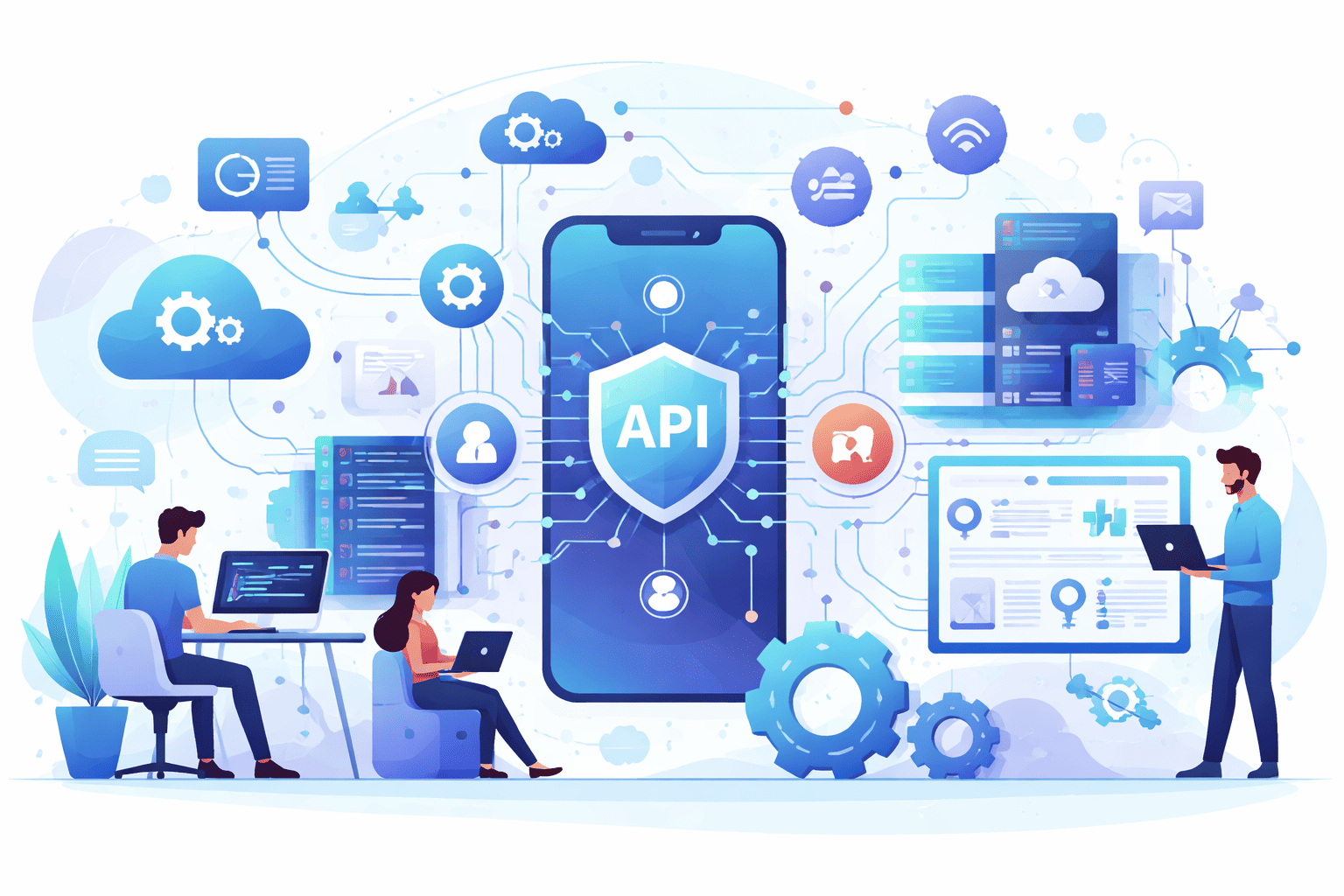
At Callivairm, we recognized a critical need to modernize and unify our mobile service infrastructure. The challenge involved overcoming the limitations of disparate legacy systems and fragmented data sources that hindered the agility and scalability of our mobile applications. Our primary objective was to engineer a robust, highly available API integration layer capable of consolidating various internal and external services. We aimed to deliver a seamless, high-performance experience for end-users, while simultaneously empowering developers with a streamlined, secure, and well-documented interface for rapid feature deployment and third-party integrations. The planned outcomes included significantly improved service delivery speed, enhanced mobile application responsiveness, and a substantial reduction in the time required to onboard new functionalities.
Strategic Solutions Implemented
-
UX/UI for API Consumers and End-Users
Our approach to the user experience extended beyond the typical mobile application interface. We focused on creating an exceptional developer experience for those consuming our APIs. This involved crafting comprehensive, interactive API documentation using OpenAPI (Swagger), ensuring every endpoint, parameter, and response schema was meticulously detailed. A dedicated developer portal was designed to offer intuitive navigation, clear onboarding guides, and self-service capabilities for API key management. For the end-users of our mobile services, the UX/UI strategy translated into observable benefits: significantly faster data synchronization, fluid navigation across integrated features, and a consistently reliable service experience, all underpinned by the new, performant API layer.
-
Architectural and Technological Foundations
The core of our solution leveraged a microservices architecture, enabling independent development, deployment, and scaling of individual service components. We adopted a cloud-native strategy, deploying services within a containerized environment using Docker, orchestrated by Kubernetes for superior resilience, automated scaling, and efficient resource utilization. Our API gateway was designed to handle request routing, authentication, and rate limiting, acting as a single, secure entry point. We implemented RESTful API principles with JSON payloads for efficient data exchange. Security was paramount, utilizing OAuth 2.0 for robust authentication and authorization across all API interactions. To optimize performance, we integrated Redis for distributed caching, drastically reducing database load and improving response times. Asynchronous processing, managed via Kafka message queues, was critical for handling background tasks and ensuring system responsiveness under heavy load. PostgreSQL served as our primary relational database, chosen for its reliability and strong data integrity features, complemented by specialized NoSQL solutions where high-throughput, flexible schema requirements dictated.
Phased Implementation and Iterative Development
The project unfolded through an agile development methodology, structured into focused sprints. Each sprint concentrated on delivering tangible increments, starting with foundational API endpoints, robust authentication mechanisms, and core data models. Our development pipeline incorporated continuous integration (CI) with automated build processes, static code analysis, and comprehensive unit and integration testing. Following successful internal validation, dedicated performance testing phases were initiated, including extensive load and stress tests to ascertain the system's capacity and stability under anticipated peak usage. Security audits and penetration testing were conducted rigorously to identify and mitigate potential vulnerabilities. Finally, user acceptance testing (UAT) involved key stakeholders and a select group of pilot users, providing invaluable feedback on functionality and overall usability.
Refinements, Iterations, and Continuous Enhancement
Post-testing and initial deployment, our focus shifted to continuous refinement. This iterative phase involved meticulous optimization of database queries, fine-tuning caching strategies, and enhancing API rate limits to ensure equitable resource distribution. Based on internal analysis and direct feedback from pilot users and early adopters, we introduced several key improvements. Error messages were made more descriptive and actionable, significantly improving the debugging experience for developers. New API endpoints were developed to support emerging mobile application features, and existing ones were refactored for greater efficiency and flexibility. We also streamlined the developer onboarding process, making it even easier for new partners to integrate. Ongoing security enhancements included regular updates to our authentication protocols and the implementation of automated API key rotation mechanisms, bolstering the overall security posture of the platform.
Tangible Outcomes and Strategic Impact
The successful deployment of this advanced API integration platform marked a significant milestone for Callivairm. We achieved a substantial reduction in mobile application load times, demonstrating an average improvement of over 25% across key user journeys. The time required to integrate new features and services into our mobile ecosystem was dramatically accelerated, often by up to 40%, thanks to the standardized and well-documented API. These technical advancements directly translated into improved user engagement and retention metrics for our mobile services. The project solidified Callivairm's position as an innovator in mobile service delivery, providing a flexible and scalable foundation that enables rapid expansion into new markets and service offerings. This strategic initiative has not only enhanced our current product capabilities but has also established a dynamic, interconnected ecosystem, fostering greater collaboration with partners and laying a robust technical groundwork for future innovations and sustained growth.